What responsibilities do landlords and tenants have in Norway?
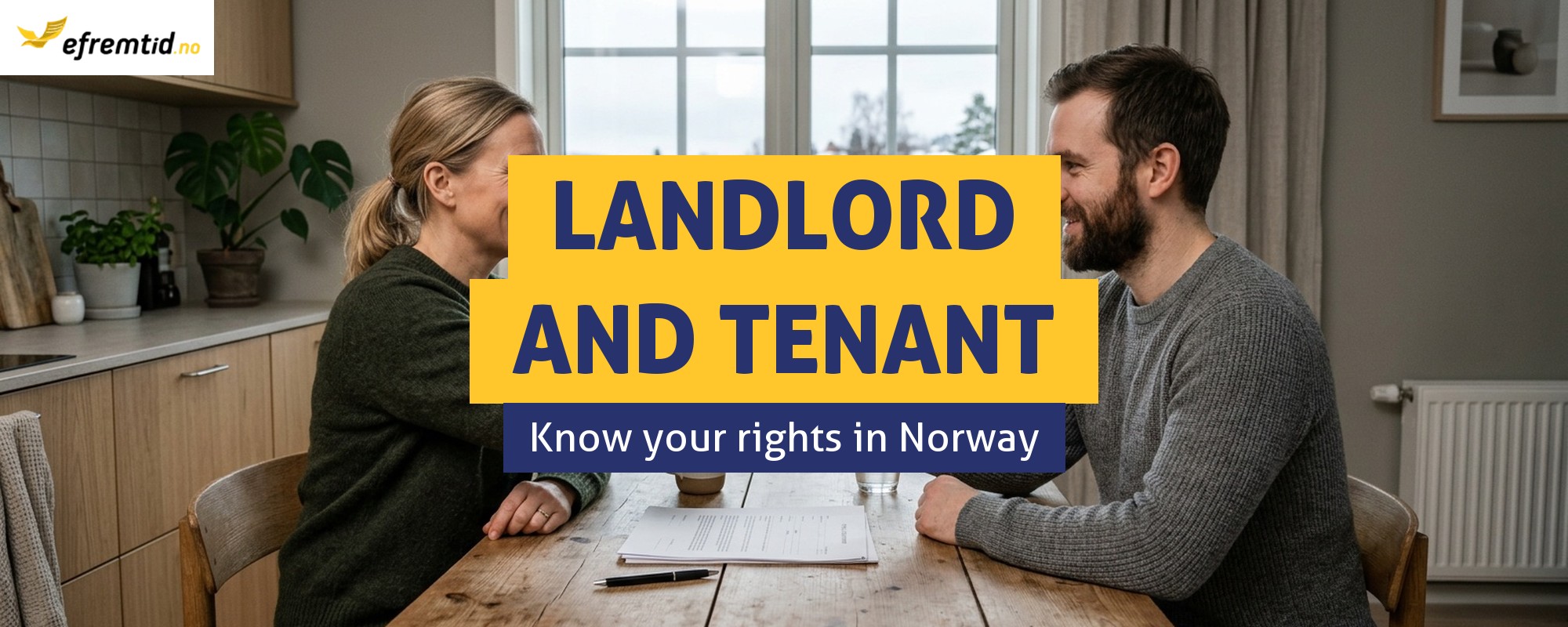
Renting an apartment in Norway is a very popular solution, both among people who live there permanently and those who are only planning to move. Whether you are a student, a seasonal worker or a family looking for a new place to live - sooner or later, knowingly or not, you will come across Norwegian tenancy law (Husleieloven). And that raises an important question: who is responsible for what? What rights does the landlord (utleier) have, and what rights does the tenant (leietaker) have?
Tenancy law in Norway is quite precise and - importantly - strongly protects the tenant's interests. Many rules cannot simply be “agreed otherwise” - they are mandatory and are intended to protect the tenant from unfair treatment. The tenancy agreement must comply with the law, because even if the parties write something “their own way”, and it is unfavourable to the tenant - such a clause may simply be invalid.
That is why it is worth knowing the basic responsibilities of landlords and tenants in Norway - not only to avoid misunderstandings, but also to know what rights we can rely on in the event of a dispute. Who is responsible for repairs? Can the owner enter the flat without notice? What about rent and rent increases? How does the deposit (depositum) work? You can read about all this in the rest of the article, with reference to the current rules and everyday practice.
Responsibilities of the landlord (utleier)
In Norway, the landlord, or utleier, has clearly defined responsibilities towards the tenant. These are regulated by the Tenancy Act (Husleieloven), which protects tenants and does not allow the owner to impose terms that are less favourable than those provided for by law. What exactly falls within their duties?
Handing over the flat in the proper condition
The landlord must hand over the property on the date specified in the agreement and in a condition suitable for living in. The flat should be clean, technically sound and in line with the description in the agreement. If the property has defects or is in a worse condition than agreed, the tenant may demand that they be remedied or that the rent be reduced.
Repairs and maintenance
Keeping the property in good condition is the owner's responsibility. It is the utleier who is responsible for major repairs (e.g. the boiler, a washing machine included in the furnishings, a leaking roof, heating, water and electrical installations). The tenant may only be required to carry out minor maintenance, such as changing a light bulb or the battery in a smoke alarm.
Respect for privacy
The utleier does not have the right to enter the flat freely - any planned visit must be agreed in advance. The tenant has the right to privacy and “peace at home”. Emergencies are an exception (e.g. flooding, fire), when the owner must act immediately.
Deposit
The deposit is security for the owner in case of damage or rent arrears. Its maximum amount is the equivalent of 6 months' rent. It must be paid into a separate deposit account opened in the tenant's name - it cannot be paid into the owner's private account. The utleier cannot use these funds without the tenant's consent or a court decision.
Setting and increasing the rent
The rent must be clearly stated in the agreement. The rent may be increased only once every 12 months and by a maximum of the official inflation index (KPI). The owner must give at least 30 days' notice of the increase.
Every 2.5 years, the rent can be adjusted to average market rates (gjengs leie), but then a 6-month notice period for the rate applies.
Termination of the agreement
In the case of an open-ended agreement, the landlord may terminate the tenancy with 3 months' notice, but must give a specific, justified reason (e.g. planned renovation, the owner moving into the property). The notice must be in writing and comply with the law - otherwise it may be considered invalid.
A well-drafted tenancy agreement, in line with Norwegian law, protects both parties - but it is the owner of the flat who bears the main responsibility for technical conditions, safety and compliance with tenancy rules. Knowing your responsibilities is the basis for trouble-free cooperation with the tenant.
Responsibilities of the tenant (leietaker)
The tenant, or leietaker, also has specific responsibilities arising from Norwegian tenancy law. Although the law protects tenants in many respects, it does not exempt them from responsibility for the property. Knowing the basic rules helps avoid misunderstandings and extra costs.
Paying the rent on time
The tenant must pay husleie, i.e. rent, regularly and on time, in accordance with the terms of the agreement. Most often, payment is made monthly “in advance”.
The owner cannot demand payment for several months in advance, but the tenant must make sure they do not fall behind with payments, as this may result in termination of the tenancy.
Looking after the property
The tenant is obliged to take care of the flat, i.e. to maintain everyday order and handle the furnishings gently. They are also responsible for minor repairs and maintenance, e.g. replacing light bulbs, seals, batteries in the smoke alarm or cleaning ventilation grilles.
Reporting faults and preventing damage
In the event of a fault or damage to the furnishings, the tenant should inform the landlord immediately. If the damage gets worse and the tenant did not react, they may be held liable. In urgent situations (e.g. a water leak), they are obliged to act to limit the loss.
Keeping order and respecting neighbours
The leietaker must follow the rules (if any apply) and make sure not to disturb the neighbours. This includes, among other things, night-time quiet, noisy behaviour or smoking in communal areas.
In the case of pets - even if the agreement states a ban - the tenant may keep them if they do not cause a nuisance and there are valid reasons (e.g. an assistance dog).
Respect for the agreement and the property
The tenant may not make alterations or changes to the property without the owner's consent. They should also not sublet the flat to other people without prior agreement. After the tenancy ends, the property should be returned in no worse condition (taking normal wear and tear into account).
Allowing access to the flat
Although the tenant has the right to privacy, in some situations they must allow the owner to enter the flat - for example, to carry out repairs, technical inspections or show the property to new potential tenants. This should always be announced in advance and take place “at reasonable hours”.
Summary
Renting a flat in Norway involves clearly defined responsibilities on both the landlord's (utleier) and the tenant's (leietaker) side. Norwegian tenancy law (Husleieloven) provides clear rules and strongly protects tenants - many provisions are mandatory and cannot be changed by agreement to the tenant's detriment.
The property owner is responsible, among other things, for the technical condition of the flat, major repairs, the correct handling of the deposit (depositum) and lawful rent increases (husleie). The tenant, in turn, is obliged to pay the rent on time, look after the property and report any faults. Both parties should also comply with the terms of the agreement and treat each other with respect - in line with Norwegian standards.
Understanding your rights and responsibilities in Norway helps avoid conflict and builds a healthy relationship between landlord and tenant. That is why it is so important, already at the stage of signing the agreement, to know the basics of tenancy law - and to know what we are allowed to do, and what we are not.
Need help with rental accounting?
Contact us: +47 21 38 38 21. We are available Monday to Friday from 9:00 - 21:00 and will be happy to help!
Author of the article: Marcin - marcin@efirma.no